
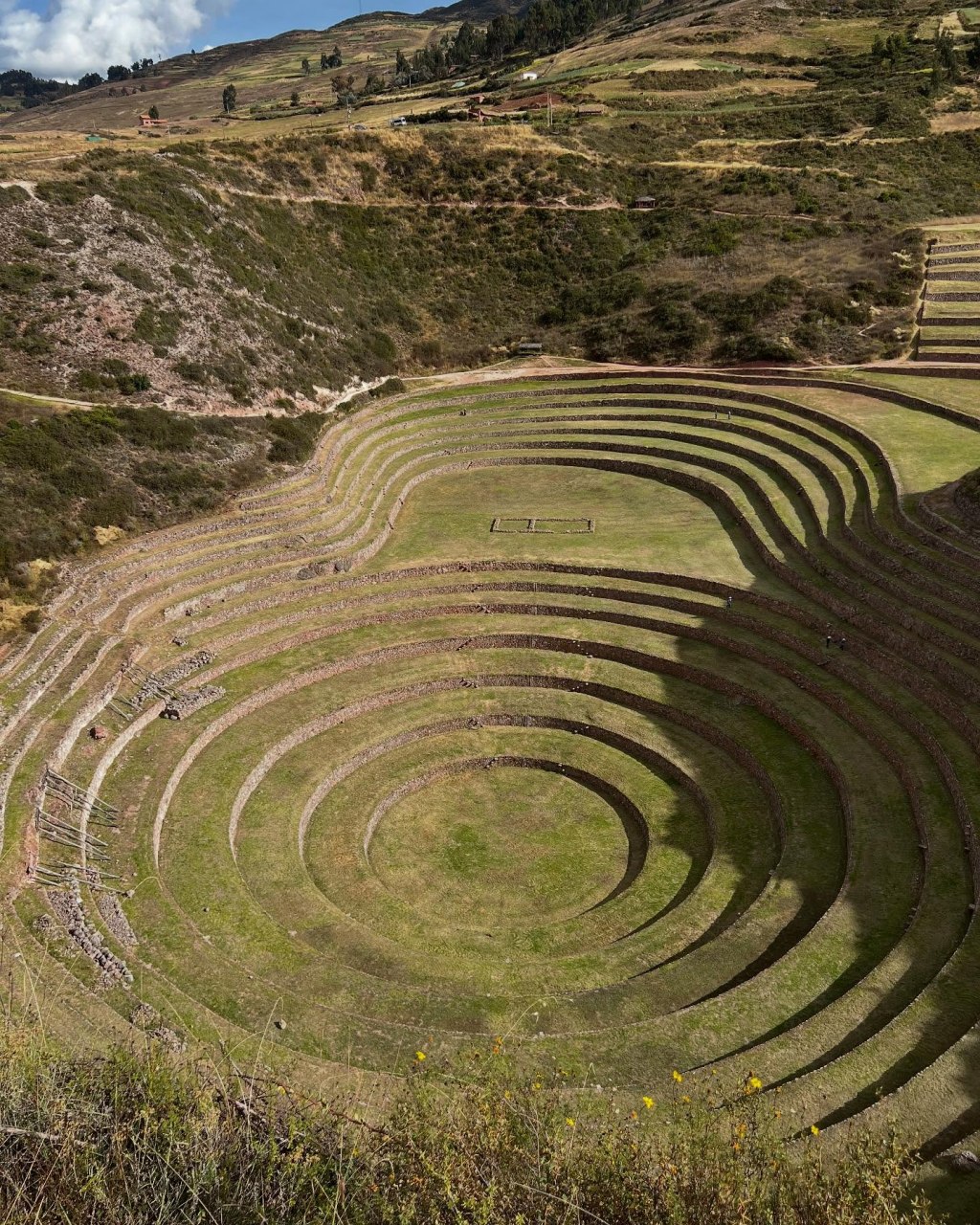
Ancient Inca ruins, a hidden mountainside sanctuary, local Quechua traditions, and our first unforgettable day in Peru’s Sacred Valley.
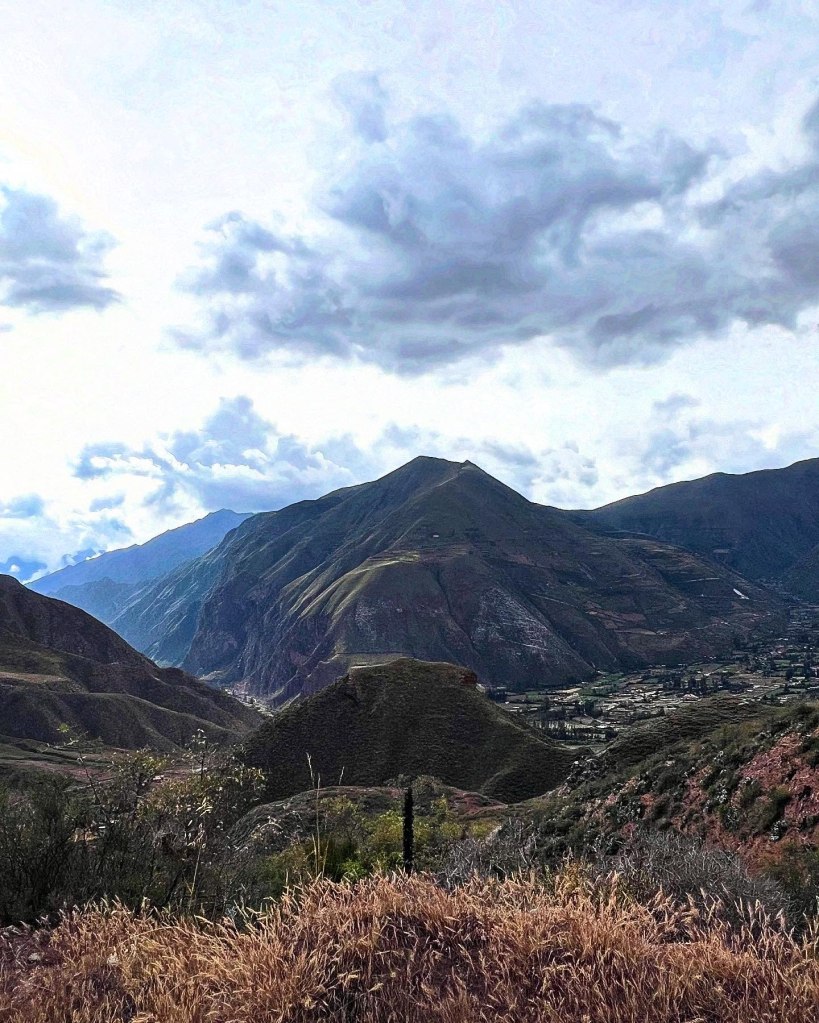
Our Peruvian adventure began long before we reached Machu Picchu. In fact, one of the best decisions we made was turning what could have been a simple airport transfer into a day of exploring the incredible Sacred Valley.
Rather than heading straight into the bustling city of Cusco, we chose the smaller mountain town of Ollantaytambo as our home base for the first several days. We wanted somewhere with a slower pace, easy access to ancient ruins and hiking opportunities, and convenient transportation to Machu Picchu.
What we hadn’t fully anticipated was how much we’d enjoy the journey getting there.
From our first taste of coca tea and a visit with local artisans to the remarkable agricultural terraces of Moray and a short hike to the mysterious Ñaupa Iglesia, our first day offered a wonderful introduction to the history, culture, and landscapes of Peru.
Our Sacred Valley Journey at a Glance
- Visited: May 2025
- Starting point: Cusco Airport, Peru
- Destination: Ollantaytambo, Sacred Valley
- Transportation: Private driver arranged through Apu Lodge
- Stops: Local weaving cooperative, Moray archaeological site, and Ñaupa Iglesia
- Planned but missed: Maras Salt Mines
- Accommodations: Apu Lodge, Ollantaytambo
- Travel style: Independent travel with a local driver and flexible sightseeing stops
- Highlights: Inca engineering, Quechua traditions, mountain scenery, and a short archaeological hike
Getting to the Sacred Valley: Lima to Cusco
We flew from the United States into Lima, arriving late in the evening. Since we had an early flight to Cusco the following morning, we chose the Wyndham hotel near the Lima airport to keep our overnight stop as simple as possible.
After a short night’s rest, we boarded our LATAM Airlines flight to Cusco, ready to begin exploring the Andes.
Cusco is a fascinating destination in its own right, but we intentionally saved our time there for later in the trip.
We aren’t particularly drawn to large cities, and Ollantaytambo seemed like a much better fit for our interests. Even more importantly, we’d learned that spending our first few nights at a somewhat lower elevation in the Sacred Valley could help us adjust before returning to Cusco.
That turned out to be an excellent decision.
Why We Chose Ollantaytambo Before Cusco
Cusco sits at approximately 11,000 feet above sea level, while Ollantaytambo is closer to 9,200 feet.
Although both are considered high elevation, the difference can be meaningful when you’re arriving from much lower altitudes.
We live at approximately 2,500 feet and regularly hike in the mountains of Western North Carolina, often reaching elevations of 4,000–6,000 feet. We’d also hiked at higher elevations in Colorado without difficulty.
Still, we knew that being physically active doesn’t guarantee protection against altitude sickness.
We wanted to be cautious, especially with several days of exploring and hiking ahead of us.
Our approach included staying well hydrated without overdoing it, bringing electrolyte tablets, avoiding alcohol during our first several days, and taking our time with physical activity.
We also enjoyed coca tea, a traditional Andean beverage commonly offered to visitors. Later, at particularly high elevations, we tried chewing coca leaves as well. We felt they were helpful, although their effectiveness for preventing altitude sickness hasn’t been scientifically established.
Thankfully, neither of us experienced significant altitude-related symptoms.
We definitely noticed the difference when walking uphill, though! Even relatively short climbs required a slower pace and more deliberate breathing than we were accustomed to.
It was a good reminder that the Andes deserve respect, regardless of your usual fitness level.
Hiring a Local Driver: One of Our Best Decisions
Before arriving in Peru, we arranged transportation through Apu Lodge, where we’d be staying in Ollantaytambo.
The lodge connected us with a wonderful Quechua driver who would not only transport us from Cusco Airport but also take us sightseeing on a couple of other days and eventually drive us back to Cusco.
Rather than simply driving from the airport to our accommodations, we planned several stops along the way.
Having a private driver gave us the freedom to explore at our own pace, ask questions, and adjust our itinerary depending on how we were feeling after the long journey.
And that flexibility became especially valuable as the day progressed.
Stop 1: Local Weaving Traditions and Our First Coca Tea
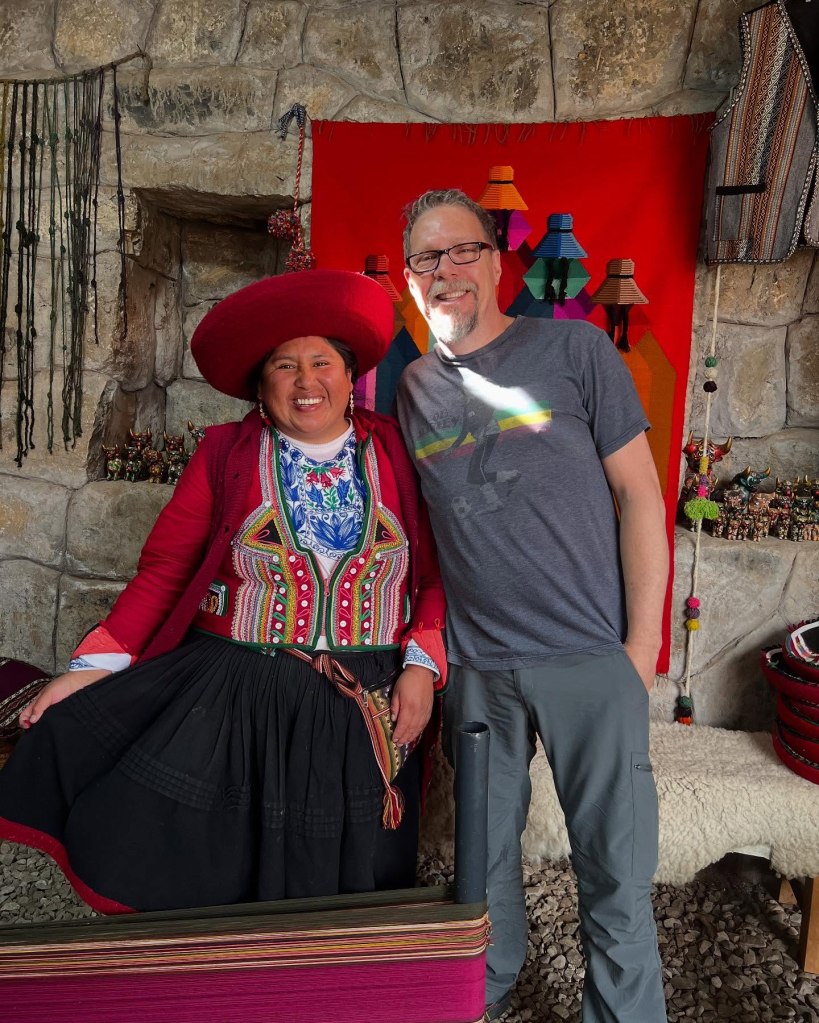
Our first stop was a small cooperative where local artisans demonstrated traditional methods of producing the beautiful wool textiles for which the region is known.
We watched as they shared their techniques and displayed an impressive collection of handmade products available for purchase.
We’re not typically big souvenir shoppers. We’d generally rather spend our money on experiences than bring home more things.
But this stop felt different.
Knowing that purchases supported local artisans and their communities made the experience more meaningful, and we appreciated the opportunity to learn about the craftsmanship behind the textiles.
We were also offered our first cup of coca tea.
After the overnight travel, early flight, and arrival at high elevation, that warm cup of tea was far more welcome than I’d expected!
It was a lovely introduction to the hospitality and traditions of the Sacred Valley.
Stop 2: Moray — An Ancient Inca Agricultural Marvel
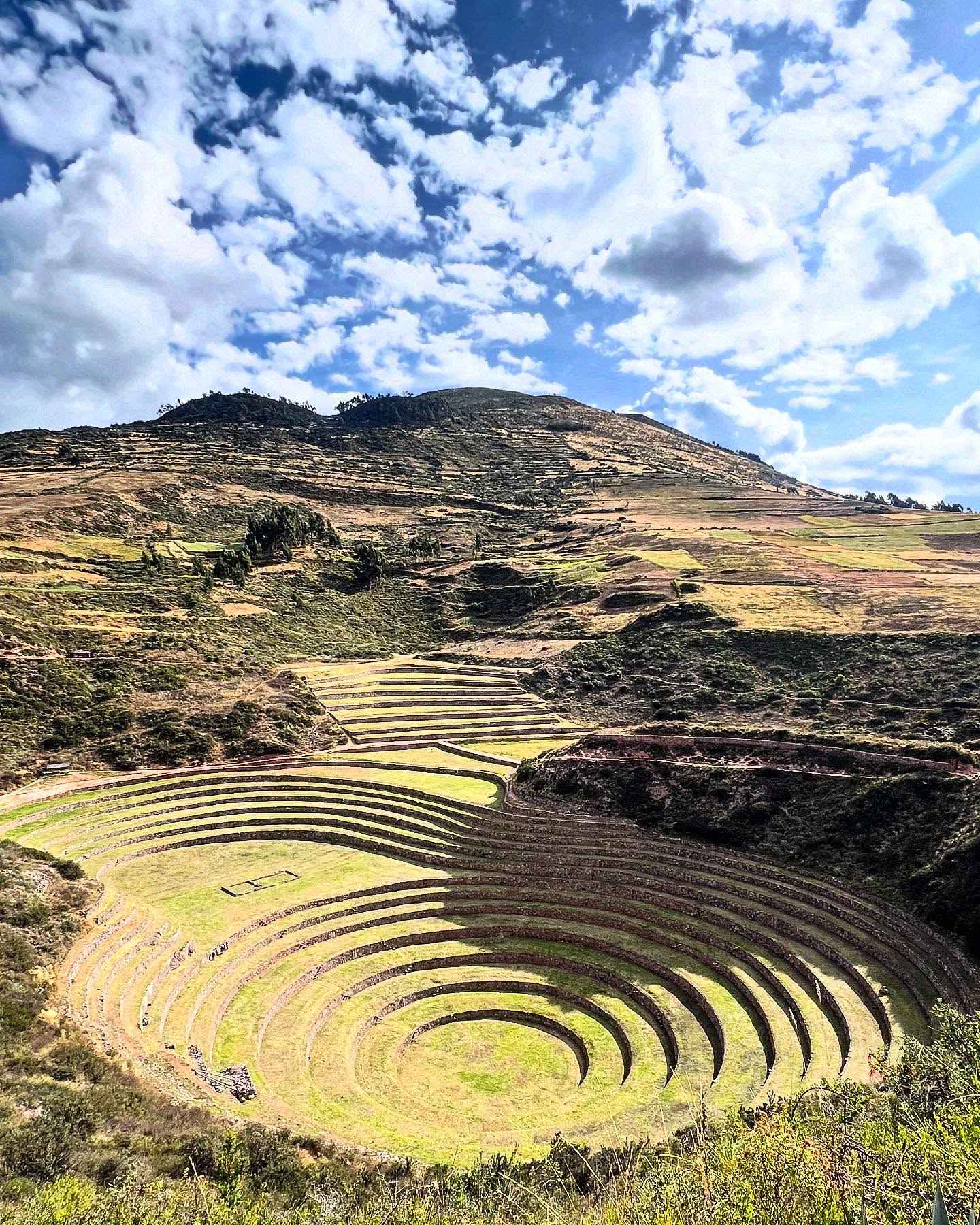
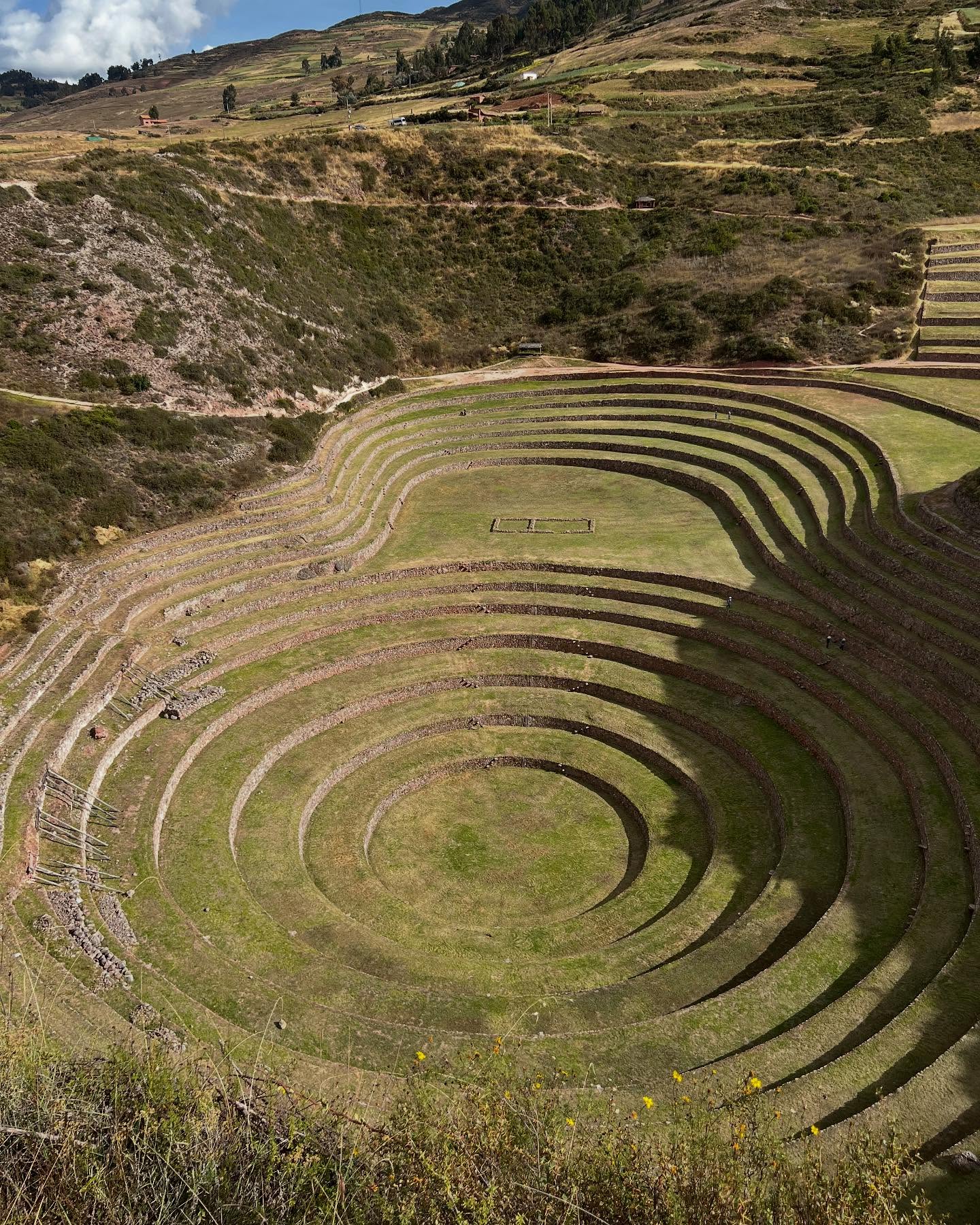
Our next stop was Moray, one of the Sacred Valley’s most fascinating archaeological sites.
Located at roughly 11,100 feet above sea level, Moray is famous for its enormous circular terraces carved into natural depressions in the landscape.
From above, the terraces resemble giant amphitheaters, with concentric rings descending toward the center.
But their purpose was far more interesting than simply creating an impressive landscape.
What Makes Moray So Remarkable?
Moray is widely believed to have served as an important center for Inca agricultural experimentation.
The terraces create varying microclimates, with differences in temperature and growing conditions between levels. Researchers believe the Inca may have used these conditions to study crops and adapt agricultural practices to different environments throughout their empire.
Standing above the terraces, it’s difficult not to be impressed by the ingenuity involved.
The scale, symmetry, and sophisticated understanding of the surrounding environment are remarkable.
For someone who loves both history and the outdoors, Moray was a fascinating stop.
It was also our first opportunity to really appreciate the extraordinary engineering abilities of the Inca, something that would continue to amaze us throughout our time in Peru.
The Stop We Missed: Maras Salt Mines
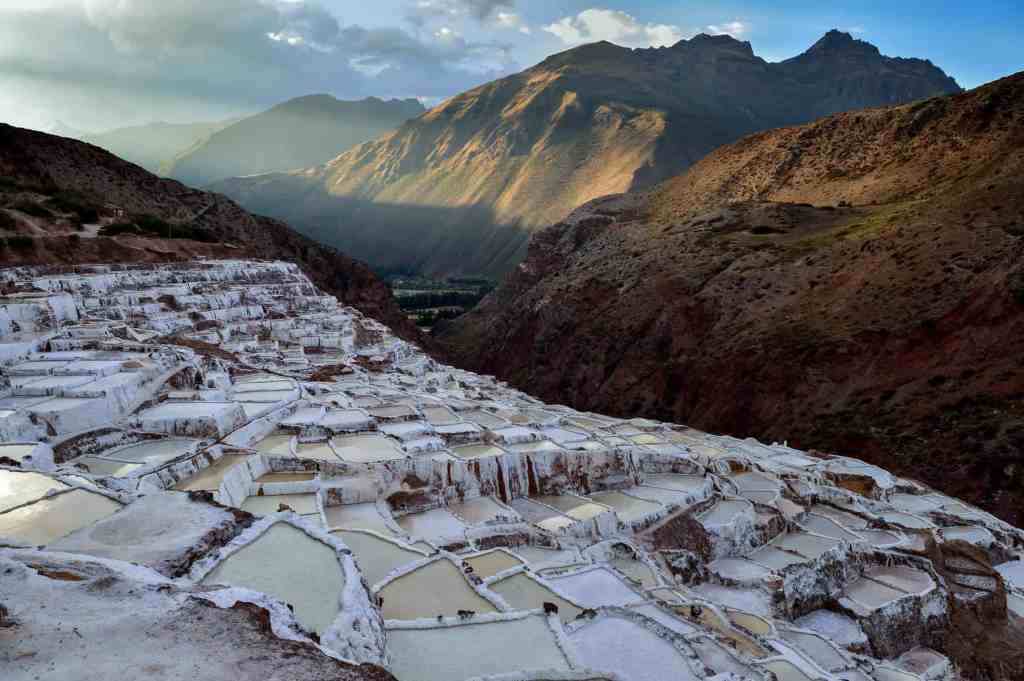
We had also planned to visit the nearby Maras Salt Mines, known for the thousands of salt evaporation pools cascading down the mountainside.
Salt has been harvested in this area for generations, and the landscape is unlike almost anywhere else.
Unfortunately, by this point we were feeling the effects of our long travels and decided to skip the stop.
In retrospect, this is the one decision from our Sacred Valley itinerary that I regret.
While I still think we made the right choice to avoid exhausting ourselves on our first day at altitude, I wish we’d found another opportunity to visit Maras before leaving the region.
If you’re planning a similar route and have the time and energy, I’d recommend considering both Moray and Maras.
Stop 3: Hiking to Ñaupa Iglesia — A Hidden Inca Sanctuary
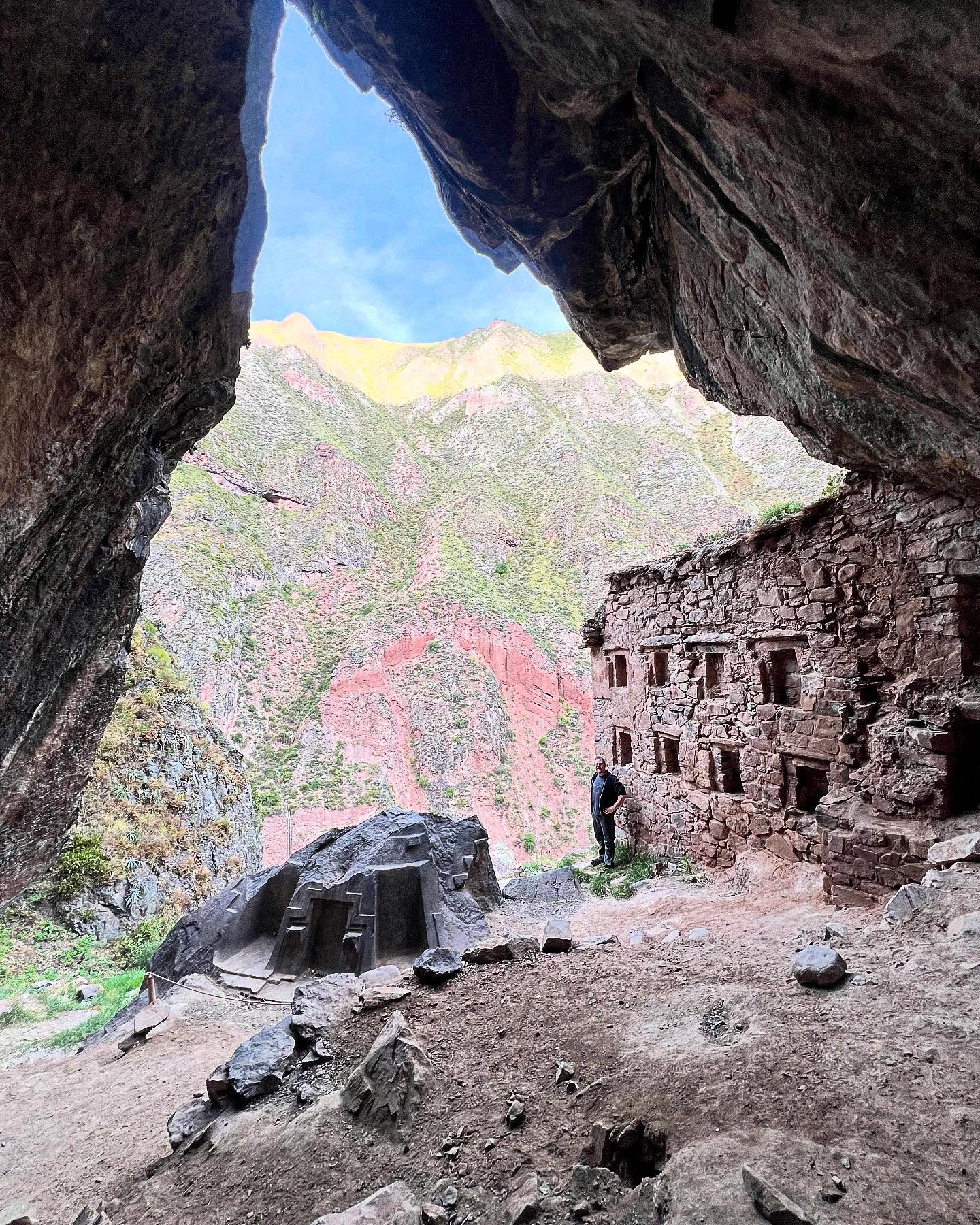
Our final sightseeing stop was one of the most memorable.
Near the village of Pachar, we stopped for a short hike up the mountainside to Ñaupa Iglesia, an intriguing archaeological site tucked into the rocky slopes above the Sacred Valley.
Our driver joined us for the hike, which made the experience even more enjoyable.
Unlike the larger and more heavily visited ruins, Ñaupa Iglesia has a quieter, more secluded atmosphere.
What Is Ñaupa Iglesia?
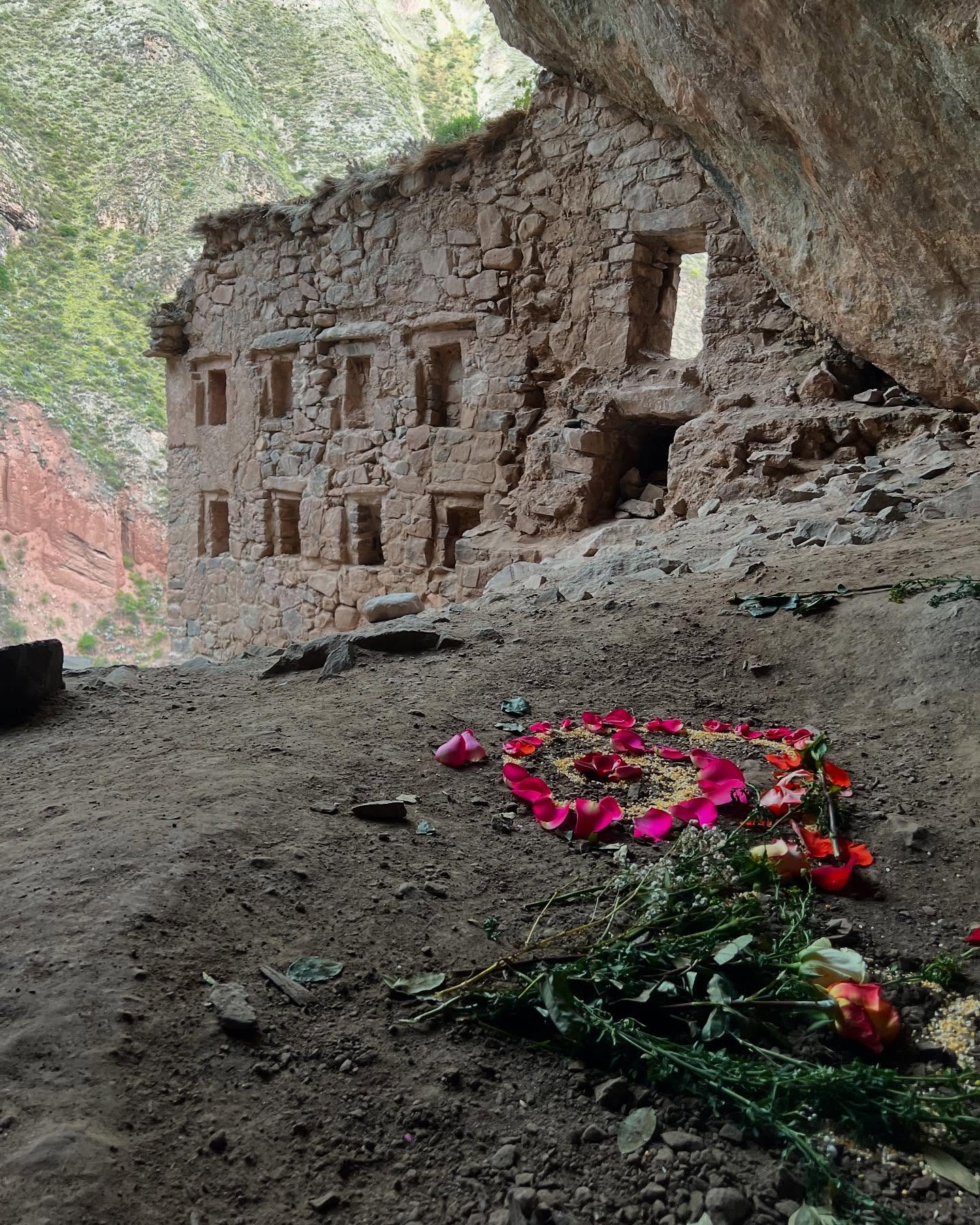
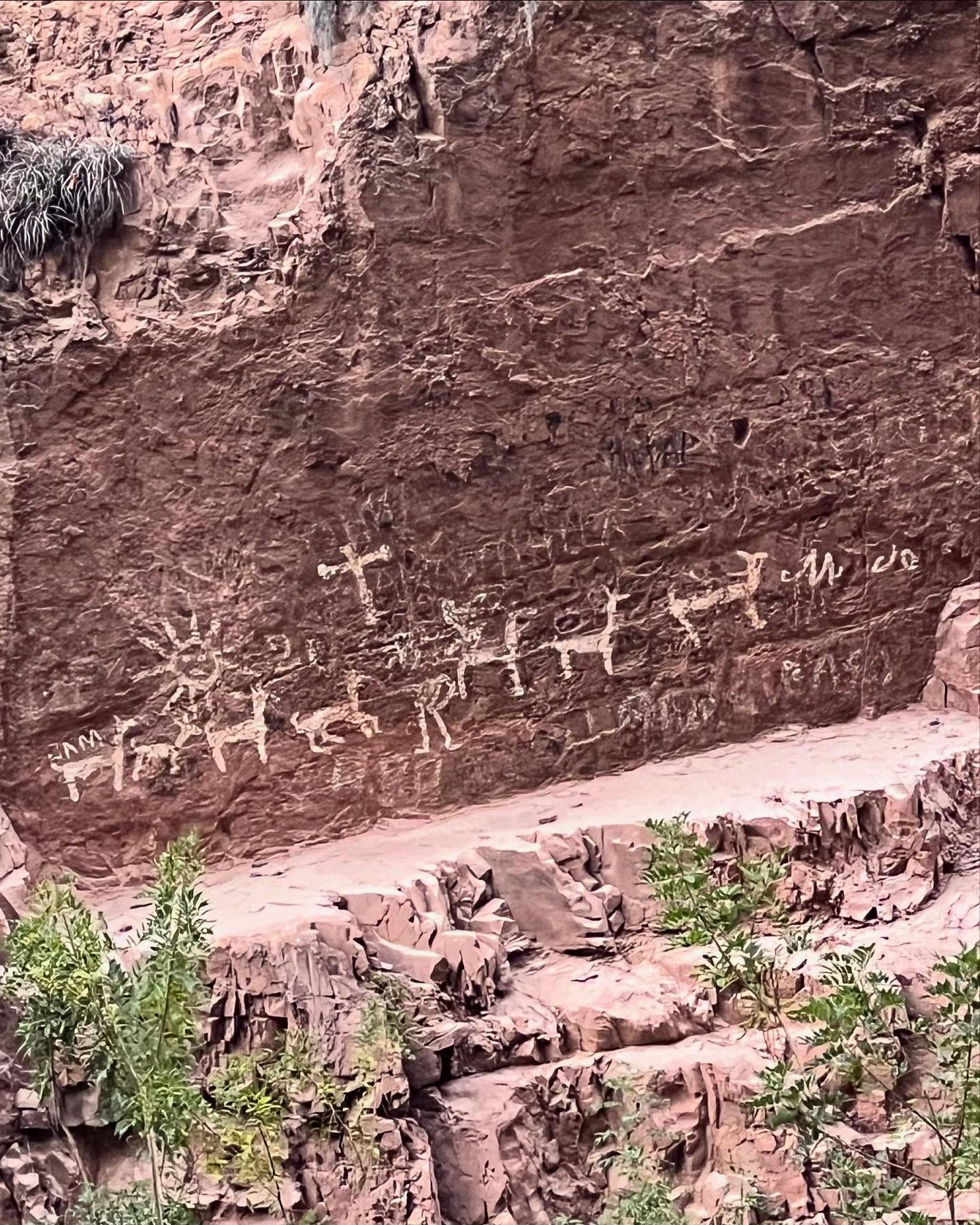
Ñaupa Iglesia is an archaeological site associated with the Inca, featuring stone terraces, stairways, carved rock formations, and a sanctuary built into a natural rock shelter.
Among its most fascinating features are precisely carved stone surfaces and ceremonial niches that reflect the distinctive architectural traditions of the Inca.
The site is believed to have held religious or ceremonial significance, although its complete history and original purpose remain subjects of interpretation.
What makes it particularly captivating is the setting.
The ancient stonework is incorporated into the natural rock formations, with sweeping views of the surrounding valley and mountains.
It’s the kind of place that encourages you to slow down and wonder about the people who once stood in the same spot.
The Hike to Ñaupa Iglesia
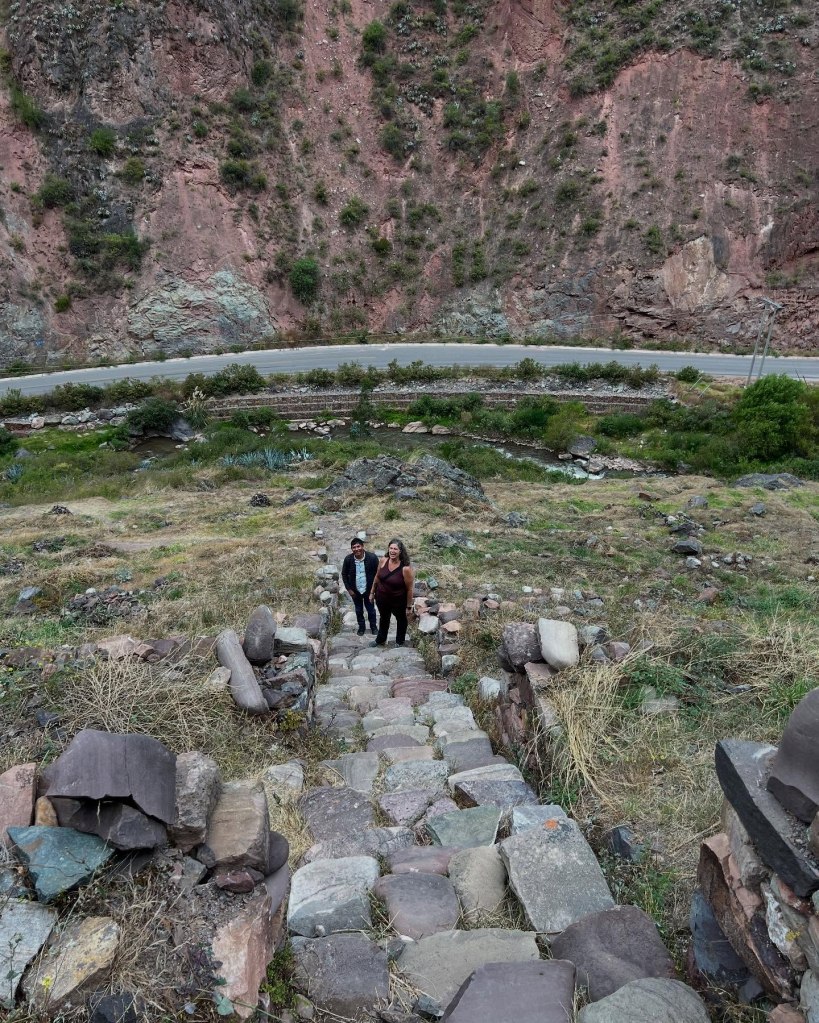
Reaching the site requires a short but fairly steep uphill walk from the Pachar area.
Depending on where you begin, the climb typically takes approximately 30–45 minutes, following a rough trail with uneven footing, loose stones, and sections of steps.
It’s not a particularly long hike, but the elevation makes the climb feel more demanding than a similar trail closer to sea level.
We were especially conscious of that, having only arrived in the Andes earlier that day.
Taking our time worked well, and the hike was a welcome opportunity to stretch our legs after so much traveling.
The combination of an interesting archaeological site, beautiful mountain scenery, and a little physical adventure made Ñaupa Iglesia a wonderful addition to our first day.
I’d highly recommend considering it if you enjoy hiking and exploring lesser-known historical sites.
Arriving in Ollantaytambo: Our Sacred Valley Home Base
After our final hike, we continued toward Ollantaytambo, excited to finally settle into our accommodations.
Ollantaytambo immediately felt like the kind of place we’d hoped to find.
The historic center is filled with narrow cobblestone streets, ancient stone walls, and traditional buildings, all surrounded by dramatic mountain scenery.
Many of the streets are too narrow for regular vehicle traffic, so reaching accommodations in the historic center may require walking with your luggage.
We were particularly grateful that we’d packed light!
Our driver helped us navigate the ancient streets and showed us to Apu Lodge, where we’d be staying for the next several days.
And what a lovely welcome.
The lodge was surrounded by beautiful blooming gardens, with views of the mountains and ancient ruins rising above the town.
The staff were friendly and welcoming, and the entire property had a peaceful atmosphere that immediately made us feel at home.
After a long journey and a full day of exploring, it was exactly what we needed.
We couldn’t wait to spend the next several days discovering more of the Sacred Valley.
Practical Tips for Traveling from Cusco to Ollantaytambo
If you’re planning a similar trip, here are a few things I’d recommend based on our experience.
1. Consider spending your first nights in the Sacred Valley
Ollantaytambo sits at a lower elevation than Cusco, making it a potentially helpful place to begin adjusting to the altitude.
It’s still high enough that altitude sickness is possible, so plan accordingly and don’t assume you’ll be unaffected.
2. Turn your airport transfer into a sightseeing opportunity
Hiring a private driver allowed us to visit several interesting sites without scheduling a separate tour day.
For travelers with limited time, this can be an excellent way to make the most of the journey.
3. Build flexibility into your itinerary
We had ambitious plans, but we were also willing to adjust them.
Skipping Maras was disappointing, but pushing ourselves too hard after a long travel day wouldn’t have been enjoyable either.
If possible, leave enough flexibility to revisit anything you miss.
4. Don’t underestimate the elevation
Even if you’re accustomed to hiking, the Andes can feel very different.
Take uphill walks slowly, allow time to acclimatize, avoid overexertion during your first day or two, and consider discussing altitude precautions with a healthcare professional before traveling.
5. Pack light if you’re staying in historic Ollantaytambo
The narrow cobblestone streets are part of the town’s charm, but they’re not particularly convenient for rolling large suitcases.
Being able to carry our luggage made the walk to Apu Lodge much easier.
6. Include a few lesser-known stops
Famous destinations like Machu Picchu deserve their reputation, but places like Ñaupa Iglesia offer a completely different kind of experience.
Some of our favorite travel memories come from these quieter, less crowded places.
Would We Plan This Day the Same Way Again?
Absolutely, with one small adjustment.
I’d make sure we had time to visit the Maras Salt Mines, either during the transfer or on another day.
Otherwise, I wouldn’t change much.
Choosing Ollantaytambo as our first home base, arranging a local driver, and incorporating sightseeing into our journey from Cusco turned a transportation day into an adventure of its own.
We learned about local traditions, explored extraordinary Inca engineering, enjoyed a beautiful mountain hike, and arrived at our accommodations feeling like we’d already experienced so much of Peru.
Final Thoughts: The Journey Is Part of the Adventure
When planning a trip, it’s easy to focus on the big destinations and overlook everything in between.
Machu Picchu was certainly the centerpiece of our Peruvian adventure, but our first day in the Sacred Valley reminded us that the journey itself can be just as memorable.
From the warmth of our first cup of coca tea to the impressive terraces of Moray and the peaceful mountainside sanctuary of Ñaupa Iglesia, every stop gave us a deeper appreciation for this remarkable region.
And arriving in beautiful Ollantaytambo, knowing we had several more days to explore, made it even better.
Our Peruvian adventure was just getting started.


Leave a Reply